

Heart Attack
OVERVIEW
What Is a Heart Attack?
A heart attack happens when blood flow to part of the heart becomes blocked. The heart muscle needs a steady supply of blood and oxygen to work properly. When that supply is reduced or stopped for too long, part of the heart muscle can become damaged.
The blood vessels that supply the heart are called coronary arteries. Over time, fatty deposits called plaque can build up inside these arteries and make them narrower. Sometimes, a plaque can break open and a blood clot forms around it, blocking the flow of blood to the heart.
A heart attack can happen suddenly, but warning signs may sometimes appear earlier. Knowing the symptoms, understanding your risk factors, and getting medical help quickly can make an important difference.
Coronary Arteries
Blood vessels that supply oxygen-rich blood to heart muscle.
Plaque Buildup
Fatty deposits narrow arteries over time, reducing blood flow.
Clot Formation
A ruptured plaque can form a clot that blocks the artery.
CAUSE
What Causes a Heart Attack?
A heart attack usually happens when one of the coronary arteries becomes blocked, interrupting blood flow to the heart muscle.
Plaque & Blood Clot
Over time, fatty deposits called plaque build up inside coronary arteries. If a plaque breaks open, a blood clot can form and partly or completely block the artery, reducing or stopping blood flow to part of the heart.
Complete Blockage
May cause a STEMI (ST-Elevation Myocardial Infarction)
Partial Blockage
May cause an NSTEMI (Non-ST-Elevation Myocardial Infarction)
Coronary Artery Spasm
Less commonly, a heart attack can happen when a coronary artery suddenly tightens or goes into spasm, reducing blood flow to the heart even without plaque buildup.
Risk Factors: Smoking and certain illicit drugs can increase the risk.of this type of coronary spasm.
KNOW YOUR RISK
Who May Be at Higher Risk?
Understanding your personal risk factors is an important first step in protecting your heart health.
Family History
Having a close family member who has had a heart attack or heart disease may increase your own risk, especially if heart disease ran in the family at a younger age. If someone experiences a heart attack before the age of 50, their immediate family members may also have a higher risk.
Lifestyle Factors
Smoking, physical inactivity, an unhealthy diet, excess weight and long-term stress can all increase the risk. Making healthier lifestyle choices—staying active, eating a balanced diet, maintaining a healthy weight, avoiding tobacco and managing stress—can help reduce overall heart risk.
Health Conditions
High blood pressure can damage artery walls, while high cholesterol can lead to plaque buildup. Diabetes can also affect blood vessels and increase coronary artery disease risk. Metabolic syndrome, combining several risk factors, can further increase heart attack risk.
Other Factors
Risk generally increases with age. Certain autoimmune conditions and pregnancy-related problems such as preeclampsia may also be linked to future heart disease. Stimulant drugs such as cocaine can suddenly narrow the coronary arteries and may trigger a heart attack.
Warning Signs
Know the Warning Signs

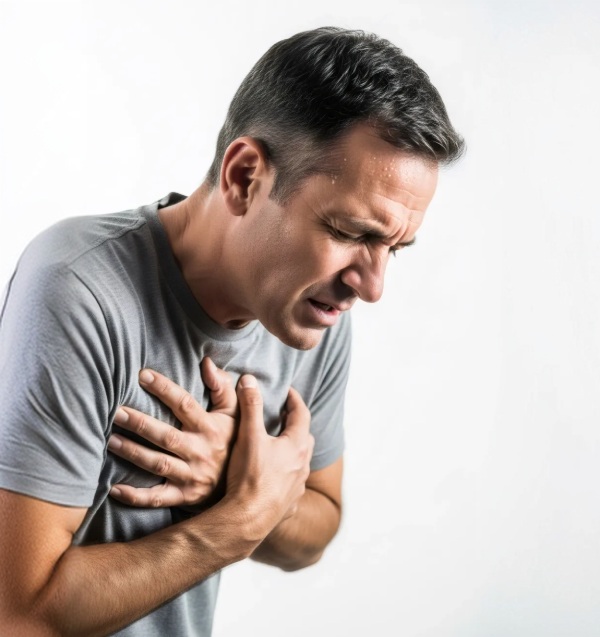
Chest Discomfort
Chest pressure, tightness, squeezing, heaviness or pain that may be constant or come and go.
- Pressure or tightness
- Squeezing or heaviness
- Pain that is constant or intermittent
- Does not improve with position change

Breathing Changes
Shortness of breath or difficulty breathing, even at rest or with minimal activity.
- Shortness of breath at rest
- Difficulty breathing
- Breathlessness with mild exertion
- May occur without chest pain

Pain That Spreads
Discomfort may spread to the arm, shoulder, neck, jaw or back—a key heart attack warning sign.
- Left or right arm pain
- Shoulder discomfort
- Neck or jaw pain
- Upper back pain
Symptoms in Women
Women may experience less typical warning signs, including unusual tiredness, shortness of breath, nausea, dizziness, back, neck or jaw discomfort, and mild chest discomfort rather than severe pain.
PREVENTION
Small Steps Can Help Protect Your Heart
While not every heart attack can be prevented, healthy everyday choices and better management of key health conditions can help reduce your risk and support long-term heart health.
Regular health check-ups can also help identify and manage risk factors early.
Choose Heart-Healthy Habits
Avoid smoking, eat a balanced diet, stay physically active and aim for enough good-quality sleep.
Manage Your Health
Keep diabetes, blood pressure and cholesterol under control, and work toward maintaining a healthy body weight.
Look After Your Wellbeing
Limit alcohol, reduce stress where possible and learn healthy ways to manage stress in everyday life.
KNOW THE DIFFERENCE
Heart Attack or Cardiac Arrest?
Heart Attack
Cardiac Arrest
Affects The Blood Flow To The Heart
Affects The Heart's Ability To Pump Blood
Chest Pressure, Pain, Shortness Of Breath, Sweating, Nausea, Or Pain Spreading To Arm, Jaw, Back Or Neck
Sudden Collapse, Loss Of Consciousness, No Response, And Abnormal Or Absent Breathing
The Person Is Often Conscious And Breathing
The Person Is Usually Unconscious And Not Breathing Normally
Can Sometimes Lead To Cardiac Arrest
May Occur As A Complication Of A Heart Attack
Needs Immediate Emergency Care
Needs Immediate Emergency Care And CPR If Appropriate
DIAGNOSIS
How Is a Heart Attack Diagnosed?
If a heart attack is suspected, doctors use your symptoms, medical history and important tests to understand what is happening and decide the right next steps.
ECG
ECG / EKG
Checks the heart's electrical activity and may show changes caused by a heart attack.
LAB
Blood Tests
Look for markers in the blood that may indicate damage to the heart muscle.
ECHO
Echocardiogram
Uses ultrasound to show how well the heart is working and identify affected areas.
ANGIO
Angiogram
Helps doctors identify where the coronary arteries may be narrowed or blocked.
Meril in Diagnostics
Meril's Diagnostics division develops in-vitro diagnostic solutions designed to support healthcare professionals across laboratory and point-of-care settings, with a focus on precision, reliability and accessibility.Meril develops in-vitro diagnostic solutions focused on precision, reliability and accessibility.
TREATMENT
How Is a Heart Attack Treated?
Treatment depends on the type and severity of the heart attack. The main goal is to restore blood flow to the heart as quickly as possible.
Emergency Care
Immediate care may include CPR or defibrillation if cardiac arrest occurs alongside a heart attack.
Medicines
Antiplatelet, beta blockers, ACE inhibitors, or statins may be prescribed as needed.
Angioplasty / PCI
A balloon catheter opens the narrowed artery, followed by stent placement when needed.
Coronary Stenting
A small mesh-like stent may be placed inside the artery during PCI to help maintain blood flow.
Bypass Surgery – CABG
Bypass surgery creates a new blood-flow route around severe or complex coronary blockages.
Meril in Cardiac Care
Meril Technologies in Heart Attack Care
A range of cardiovascular technologies designed to support healthcare professionals across coronary intervention, cardiac surgery, and advanced cardiac support.
Coronary Balloon Technologies
- •Mozec™ Rx PTCA
- •Mozec™ NC PTCA
- •Mozec™ SEB
Coronary Balloon Technologies
- •Mozec™ Rx PTCA
- •Mozec™ NC PTCA
- •Mozec™ SEB
Coronary Balloon Technologies
- •Mozec™ Rx PTCA
- •Mozec™ NC PTCA
- •Mozec™ SEB
Coronary Balloon Technologies
- •Mozec™ Rx PTCA
- •Mozec™ NC PTCA
- •Mozec™ SEB
Aftercare
Caring for Your Heart After a Heart Attack
Healthy everyday habits can support recovery and help lower the risk of future heart problems.
Download Patient ResourceEat for Heart Health
Work with your healthcare team and make steady, heart-healthy choices that support recovery.
Avoid Smoking
Work with your healthcare team and make steady, heart-healthy choices that support recovery.
Prioritise Good Sleep
Work with your healthcare team and make steady, heart-healthy choices that support recovery.
Manage Stress
Work with your healthcare team and make steady, heart-healthy choices that support recovery.
Recovery Support
Know When to Get Help
When to Contact Your Doctor
During recovery, contact your doctor if you notice:
- Unusual tiredness
- Increasing shortness of breath
- Swelling in the legs or feet
- Dizziness
- A rapid or irregular heartbeat
- Symptoms affecting daily activities
When to Seek Urgent Medical Help
Seek emergency medical attention immediately if you develop:
- New or severe chest pain or pressure
- Sudden shortness of breath
- Fainting
- Severe sweating
- Pain spreading to the arm, jaw, back, or neck
F A Q
Frequently Asked Questions
Find quick answers on Meril's heart valves, therapies, and clinical data