
Designing Medical Technologies Around the People and Possibilities They Serve

Ergonomics and Human-Centered Engineering
Medical devices must not only perform reliably under biological conditions—they must feel intuitive in the hands of the clinician during high-stress procedures.
Our R&D teams collaborate intimately with surgeons, scrub nurses, and cath-lab technicians to eliminate friction and enhance tactile feedback.
Frequently asked questions
See Related Blogs
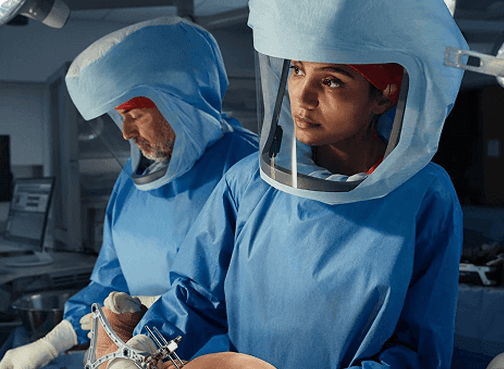
How Medical Technology Is Evolving to Meet the Needs of Modern Healthcare
From precision-driven devices to robotic-assisted procedures, new technologies are helping clinicians address complex needs with greater control, consistency, and confidence.
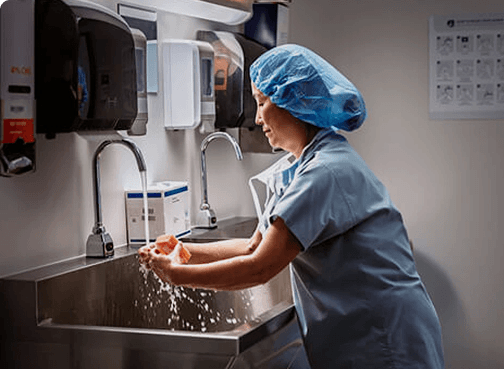
Inside Meril Academy: Building Skills That Move Clinical Practice Forward
Meaningful innovation begins with understanding unmet clinical needs and translating research, evidence, and practitioner insight into technologies that support better care.
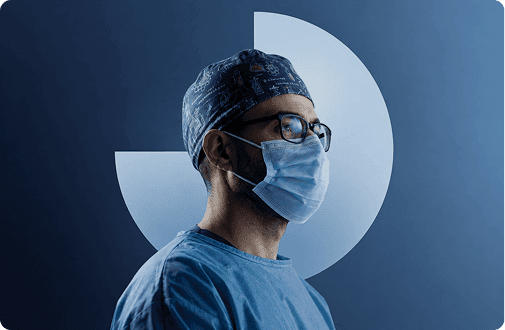
Redefining Precision in Orthopedic Joint Reconstruction with Robotics
Advanced robotic-assisted surgery delivers unprecedented accuracy in bone resection and implant positioning, significantly shortening recovery times for orthopedic patients.